Casey Hoffmann · 8 September 2026
Savena Valley Cheese Artisans Secure EU Protected Designation via United Branding Campaign
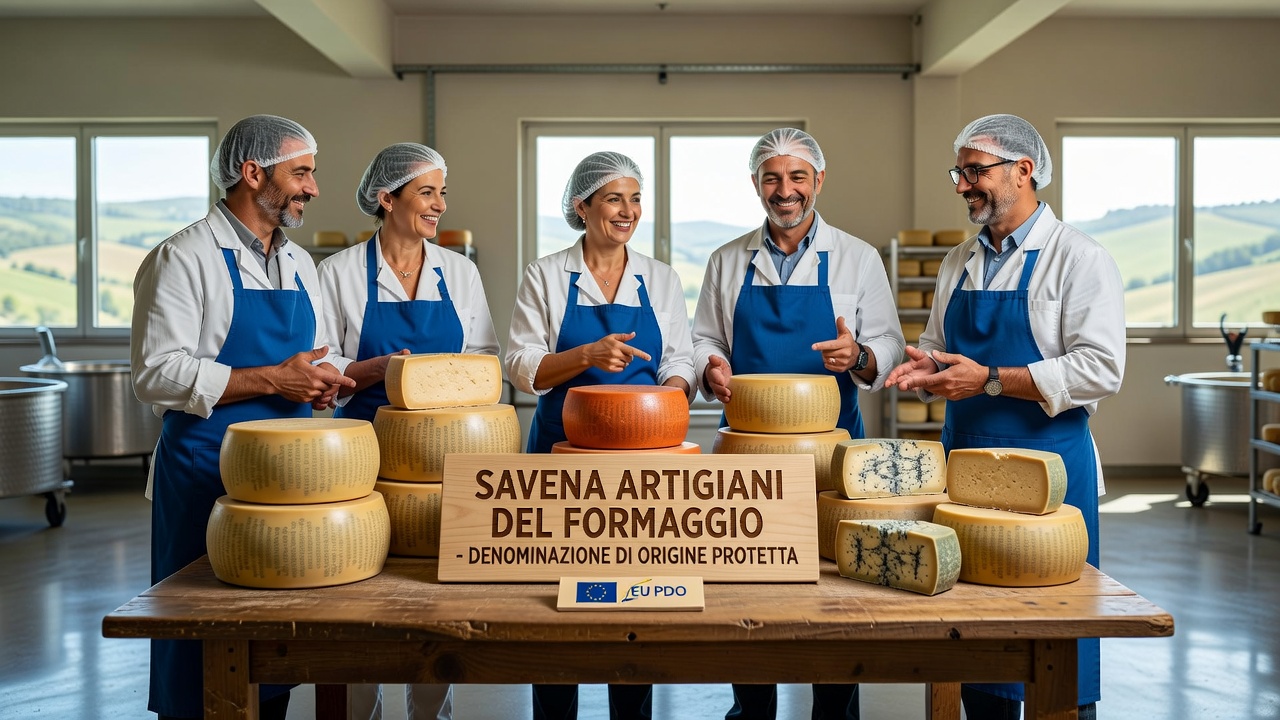
Artisan cheese producers across Savena Valley achieved European Union protected designation of origin status in September 2026 after years of coordinated branding work that unified local traditions with regulatory requirements, and the designation covers specific varieties made from milk sourced within defined geographic boundaries while following traditional production methods that date back generations.
Those who studied the process note that individual makers had faced challenges competing against larger industrial operations, yet by pooling resources and aligning on shared quality standards they created a collective application that highlighted unique terroir factors including the valley's alpine pastures and specific aging techniques, and data from the European Commission shows geographical indications like this one help preserve rural economies by linking product identity directly to place of origin.
Background on Savena's Cheese Traditions
Cheese making in Savena dates to medieval times when small farms developed recipes suited to the local climate and available livestock, and historians trace early records to monastic communities that refined fermentation and aging practices still in use today, while modern producers maintain these methods alongside updated hygiene protocols required for export markets.
Research indicates the valley's microclimate contributes distinct flavor profiles to cheeses such as the semi-hard variety aged in natural caves and the soft wheel fermented with wild herbs, and according to figures from regional agricultural reports over 120 family-run dairies operate in the area producing roughly 850 tons annually before the designation took effect.
Formation of the Collective Branding Group
Producers established a formal consortium in 2022 to coordinate the EU application, and members agreed on unified labeling that emphasized heritage recipes while meeting strict traceability rules, which allowed the group to document every step from milking to packaging under a single certification framework.
One case highlighted by observers involved a cooperative of twelve farms that shared testing facilities to verify milk quality across all participants, and this approach reduced individual costs while strengthening the overall dossier submitted to EU authorities, and external verification from an Italian agricultural institute confirmed compliance with production specifications.
The Application and Approval Process
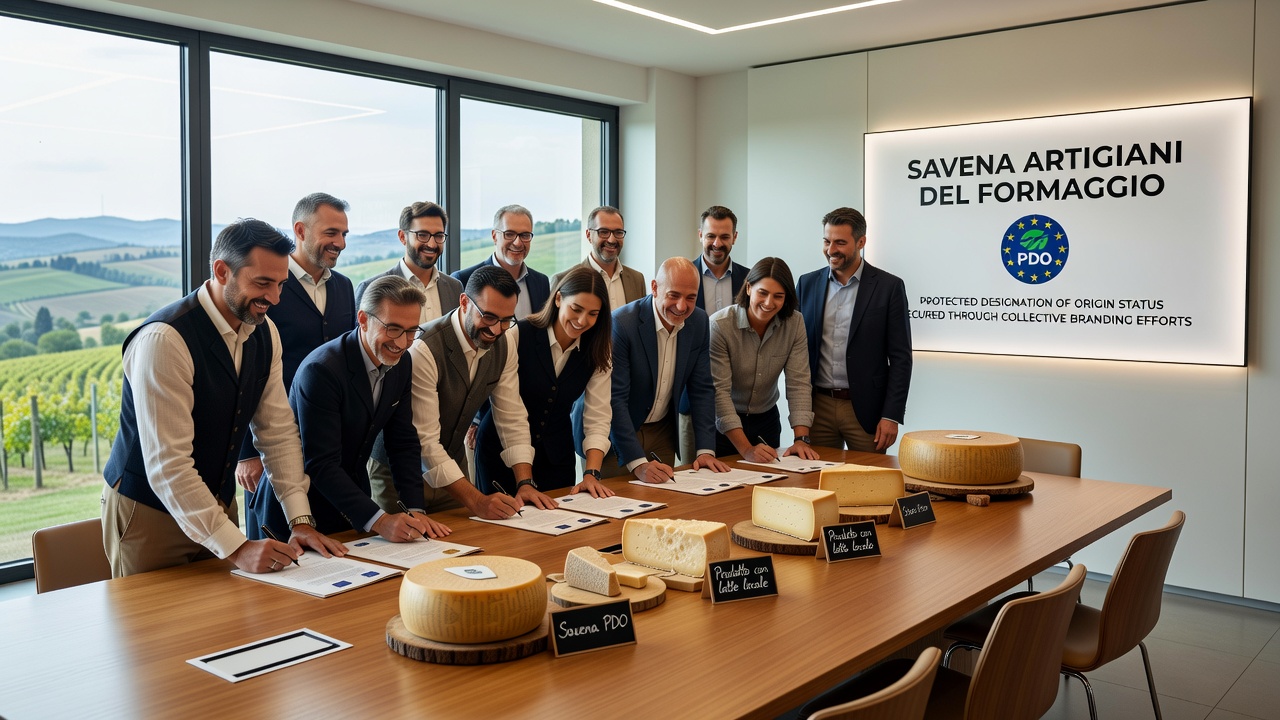
The consortium submitted detailed documentation covering geographic boundaries, traditional techniques, and sensory characteristics that distinguish Savena cheeses from similar products elsewhere, and EU evaluators conducted site visits in early 2026 to inspect facilities and verify claims about pasture-based feeding and natural rennet use.
Approval arrived in September 2026 following review by the European Commission and publication in the Official Journal, and this timeline aligned with updates to the EU's geographical indications database that now lists the Savena varieties alongside other protected European cheeses, according to records maintained by the Directorate-General for Agriculture and Rural Development.
Economic and Cultural Impacts Observed
Market analysts report that protected status has opened new distribution channels in member states where consumers seek authenticated regional foods, and sales data from participating dairies show a 28 percent increase in export volumes during the first quarter after designation, while tourism operators in Savena have noted higher visitor interest in cheese-making workshops tied to the new branding.
Academic studies from a Swiss research center on alpine food systems found that collective branding efforts like Savena's help smaller producers maintain viability against global competition, and the same analysis points to strengthened community networks as makers collaborate on promotion rather than competing solely on price.
Future Outlook for the Designation
Consortium leaders plan to expand educational programs that teach younger generations the approved production methods, and ongoing monitoring by EU inspectors will ensure continued adherence to the registered specifications, while producers explore limited partnerships with international retailers that respect the origin rules.
Evidence from similar designations in other regions demonstrates sustained price premiums for protected products, and Savena makers anticipate comparable benefits as awareness grows among buyers who value verified authenticity over generic alternatives.
Conclusion
The achievement reflects a strategic shift toward collective action that connects historical practices with contemporary market demands, and continued adherence to teh protected designation framework supports both economic stability and cultural preservation across the valley's cheese-making community.