Casey Hoffmann · 6 October 2026
Savena Beekeepers Establish Inter-Village Networks for Tracking Pollinator Declines
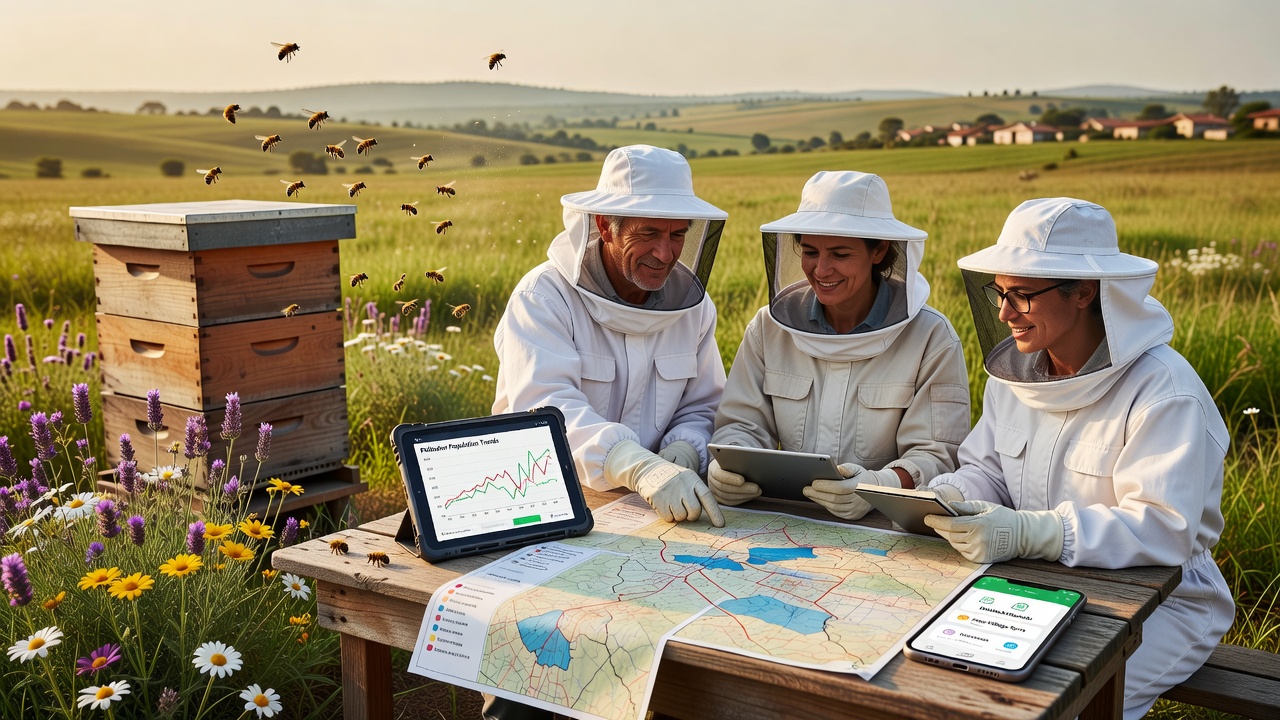
Beekeepers across Savena Valley have begun linking their operations through structured cross-village networks that focus on monitoring pollinator populations and exchanging habitat information on a regular basis. These arrangements allow participants to record hive conditions, note changes in local flora, and compile observations that span multiple settlements rather than remaining isolated within single locations.
Initial coordination meetings took place earlier in 2026 when representatives from several villages recognized that individual records of colony losses and forage availability produced fragmented pictures of regional trends. By pooling data on flowering periods, pesticide exposure incidents, and weather impacts, the groups created shared databases that highlight patterns across the valley floor and surrounding hillsides.
Formation of the Networks
Groups organized around common apiary routes and seasonal migration paths, with each village designating one or two keepers responsible for uploading weekly reports. The structure relies on simple digital forms and occasional in-person gatherings rather than centralized authority, which keeps participation open to both commercial operators and hobbyists. Records include counts of active frames, presence of varroa mites, and notes on nearby land use changes that affect nectar sources.
Data collection protocols follow guidelines developed in consultation with agricultural extension services operating in the region. Participants mark GPS coordinates for each hive site and log surrounding vegetation types, allowing maps to show corridors where pollinators move between fields and woodlands. This approach reveals gaps where habitat connectivity has declined over recent years.
Methods for Tracking Declines
Network members use standardized observation sheets that record colony strength at the start and end of each foraging season, along with any sudden die-offs. They also note the diversity of pollen collected through simple trap samples analyzed at shared facilities in larger villages. These measurements feed into valley-wide summaries that compare current figures against records kept by individual keepers since the early 2010s.
Habitat data includes details on hedgerow maintenance, wildflower strip plantings, and shifts in crop rotation that either support or reduce available forage. When one village reports reduced access to late-summer blooms due to earlier mowing, neighboring participants can check their own areas and adjust planting schedules accordingly. This exchange happens through quarterly meetings and a shared online repository updated every two weeks.
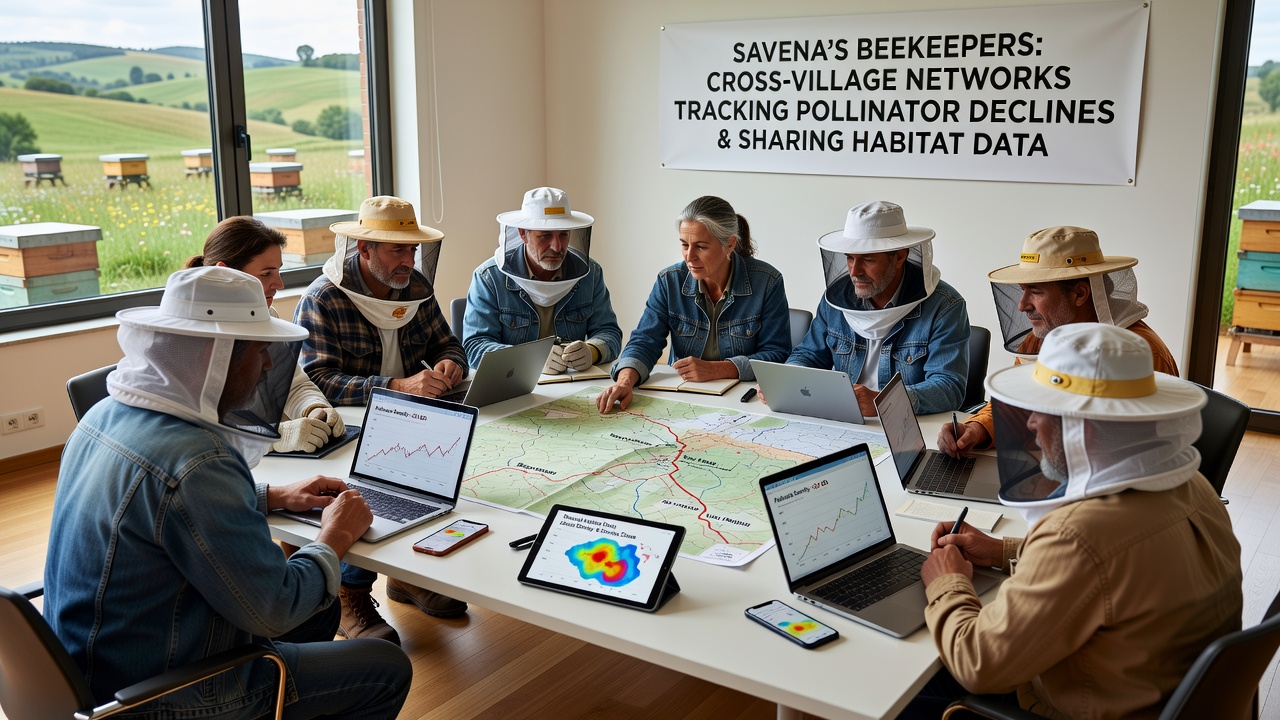
October 2026 Data Sharing Events
In October 2026 the networks plan a valley-wide review session that will consolidate findings from the full growing season. Organizers expect reports covering more than 200 hive sites distributed among eight villages, with emphasis on identifying consistent stress points such as drought-affected meadows or areas with increased chemical applications. Preliminary summaries already show lower overwintering survival rates in sites near intensive row-crop fields compared with those adjacent to mixed woodland edges.
These gatherings also serve as opportunities to update mapping tools and train newer participants in consistent recording methods. Past sessions have produced lists of priority plant species for supplemental seeding programs that individual keepers can implement on their own land or through agreements with local landowners.
External Data Sources and Comparisons
Network participants reference broader studies when interpreting local results. Figures from the Food and Agriculture Organization of the United Nations provide context on global pollinator trends, while regional reports from the European Environment Agency supply comparable data on habitat fragmentation across similar Mediterranean-climate valleys. Keepers cross-check their observations against these sources to distinguish valley-specific factors from wider patterns.
One village cluster has begun testing low-cost sensor devices that measure temperature and humidity inside hives, feeding the readings into the same shared system. Early results indicate that sites with consistent shade from existing tree lines maintain more stable internal conditions during heat waves recorded in summer 2026.
Conclusion
The cross-village approach continues to expand as more keepers recognize the value of aggregated records for anticipating forage shortages and disease spread. Regular data exchanges have already prompted several coordinated responses, including joint applications for regional habitat restoration grants and synchronized timing of supplemental feeding during periods of scarcity. The networks remain focused on maintaining open access to the compiled information so that decisions about land management and hive placement rest on the widest available set of observations from across Savena Valley.