Taylor Washington · 3 November 2026
National Honor for Savena Primary Ignites Global Student Exchange Initiatives
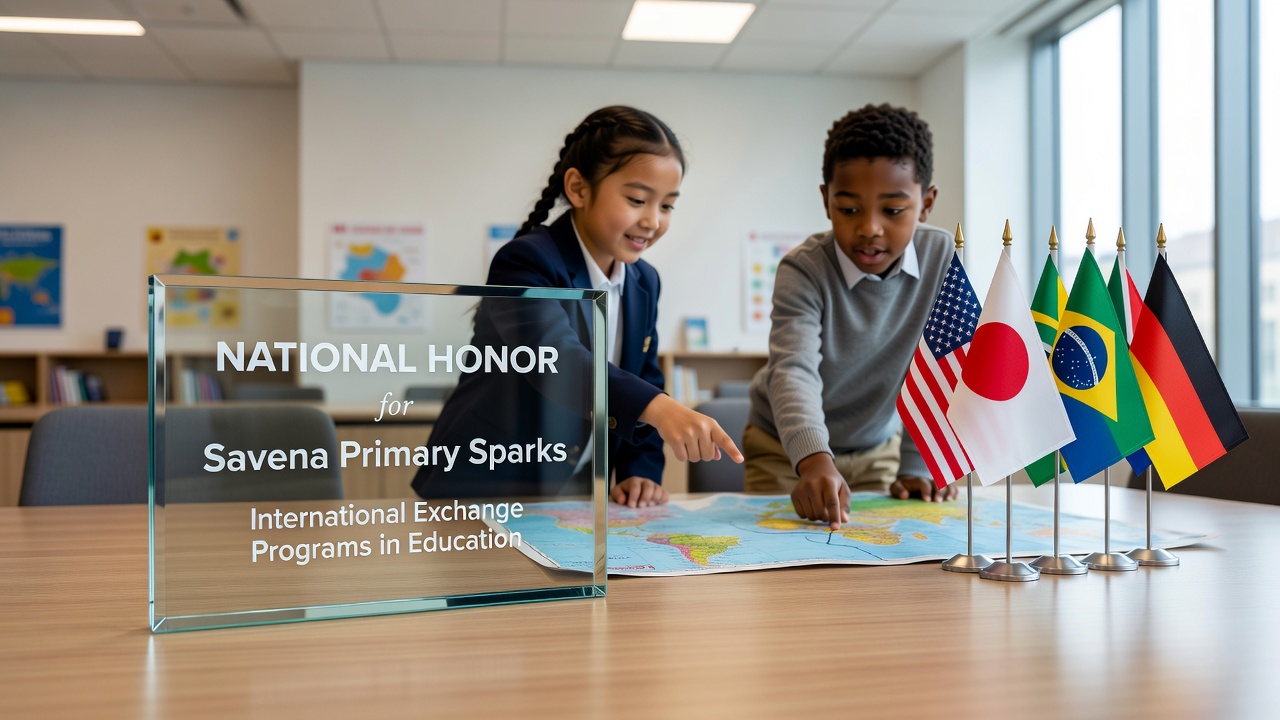
Savena Primary School received a national honor in education excellence that has directly led to the launch of structured international exchange programs connecting students across multiple continents, and officials confirmed the first cohort of exchanges begins in November 2026. The award recognizes consistent academic performance alongside innovative teaching methods that integrate local environmental studies with global perspectives, while data from regional education boards show improved literacy and science scores over the past five years. Administrators note the recognition opens doors to partnerships with schools in Europe, North America, and Asia, creating pathways for reciprocal visits that emphasize cultural understanding and collaborative projects on topics such as climate science and digital literacy.
Background on the National Honor and School Achievements
The national honor stems from evaluations conducted by Italy's Ministry of Education, which assessed curriculum integration, teacher training outcomes, and community involvement in learning initiatives. Savena Primary demonstrated measurable progress in student retention rates that reached 98 percent, according to ministry reports, and it incorporated hands-on modules on valley ecology that align with broader European Union education frameworks. Observers point out that such recognitions often correlate with increased funding opportunities, yet the primary outcome here centers on expanded international networks rather than financial incentives alone. Teachers implemented project-based learning that pairs local history lessons with comparative studies of other regions, and this approach caught the attention of evaluators who cited specific examples of student-led research on pollinator patterns shared with partner institutions abroad.
How the Award Catalyzes Exchange Programs
Following the award announcement, school leaders established formal agreements with institutions in Canada, Australia, and several EU member states to facilitate semester-long exchanges for students aged 10 to 12. These programs incorporate virtual collaboration phases before in-person visits, allowing participants to co-develop reports on shared challenges like sustainable agriculture and water management. Figures from the Italian National Institute of Statistics indicate rising interest in cross-border education among primary-level learners, and the Savena initiative aligns with this trend by prioritizing equitable access regardless of family income levels. Coordinators schedule orientation sessions that cover language basics and cultural norms, while partner schools prepare reciprocal activities focused on indigenous knowledge systems and modern technology applications. The structure ensures that exchanges extend beyond tourism to include joint data collection exercises that contribute to ongoing academic studies.
Details of the November 2026 Launch and Participant Selection
Preparations for the November 2026 start involve selecting 24 students through a transparent process that weighs academic records, teacher recommendations, and demonstrated interest in global issues, with provisions for diversity in socioeconomic backgrounds. Travel logistics include group flights coordinated through established educational travel networks, and host families undergo screening to maintain safety standards consistent with guidelines from bodies such as the Australian Department of Education. Each exchange cycle lasts four weeks and features structured classroom integration alongside field trips to research sites, where students collect samples for comparative analysis back in their home classrooms. Program evaluations will occur at three-month intervals using standardized metrics for cultural competence and subject knowledge gains, drawing on methodologies refined by organizations like the OECD.
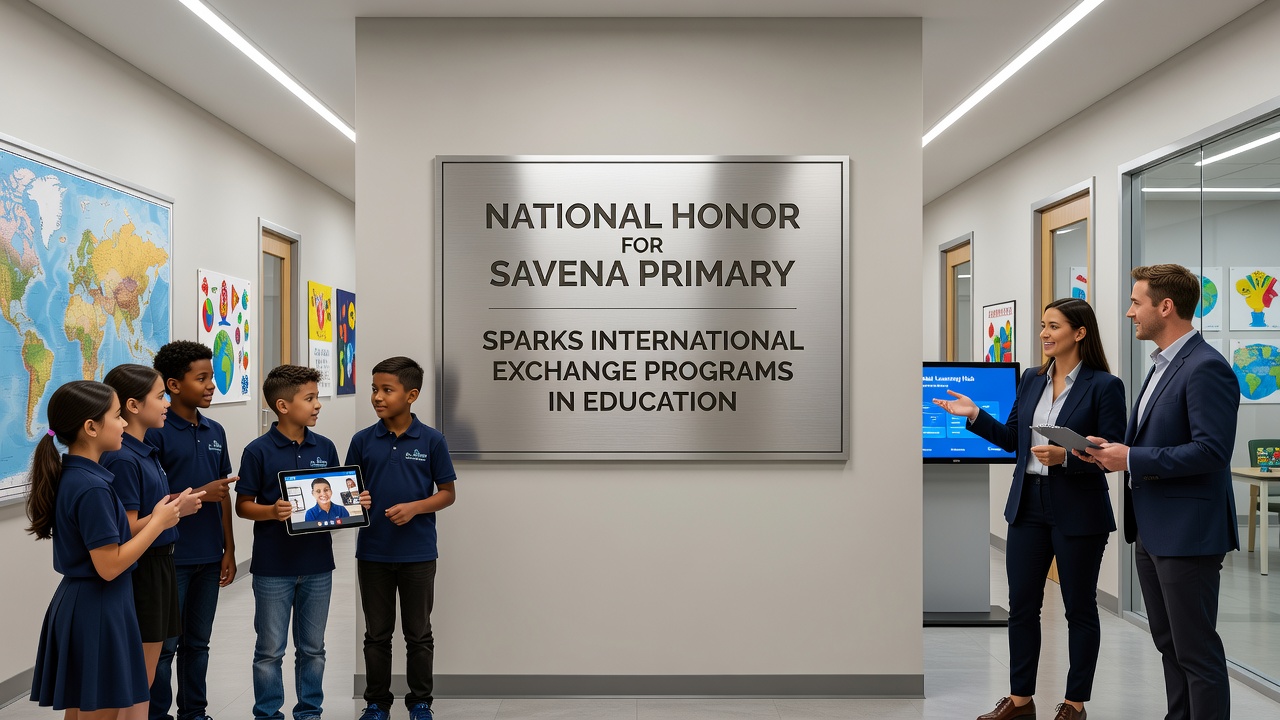
Initial partnerships include schools in British Columbia and Queensland, which mirror Savena's focus on environmental education, and these connections allow for shared curricula on topics such as river ecosystem monitoring. Data shared through secure digital platforms enables real-time updates on student projects, and early indicators suggest high engagement levels from preliminary virtual sessions held in late 2025. Administrators emphasize that the programs operate on a rotating basis to involve different grade levels each year, thereby broadening participation across the entire student body over time.
Broader Implications for Regional Education Networks
The developments at Savena Primary have prompted neighboring schools in the valley to explore similar international linkages, creating a ripple effect that strengthens the area's reputation for forward-thinking pedagogy. Regional education authorities report preliminary discussions with additional countries, including those in Southeast Asia, to expand the model beyond the initial three partnerships. Evidence from comparable programs elsewhere shows sustained improvements in language acquisition and adaptability skills among participants, and local officials anticipate parallel benefits here based on pre-exchange assessments. The initiative also incorporates teacher exchanges that allow educators to observe alternative classroom management techniques and bring those insights back for implementation, further embedding global best practices into daily operations.
Conclusion
The national honor has positioned Savena Primary as a catalyst for international educational collaboration, with the November 2026 exchanges representing a concrete step toward sustained global connections. Ongoing monitoring by involved ministries and partner institutions will track long-term outcomes in student development and institutional partnerships, providing data that could inform future expansions across similar rural settings.